Dry Van Truck Driving Jobs: Pay & Routes 2026
Dry van is the biggest segment in trucking. Here's what dry van CDL-A jobs pay in 2026, the routes, who's hiring, and how to land the best one.
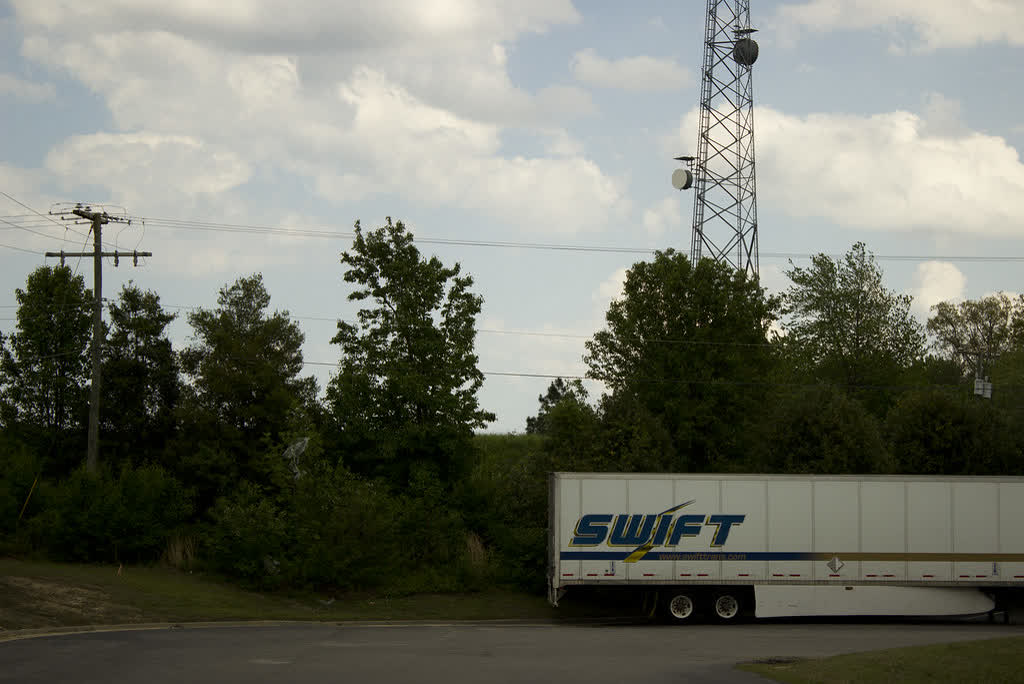
If you've spent any time on the road, you already know this: most trailers out there are dry vans. It's the plain box hauling everything from canned goods to cardboard, and it's the single biggest slice of trucking. For a CDL-A driver, that matters in a very practical way — dry van means the most job openings, the widest range of schedules, and the easiest way to get hired and start banking miles. Here's what dry van work actually pays in 2026, the routes you can run, and how to land a good seat instead of a mediocre one.
What dry van pays in 2026
Dry van is paid mostly by the mile, and in 2026 company-driver rates typically run $0.45 to $0.70 per mile. New drivers usually start around $0.45–$0.55; experienced hands at strong carriers push $0.65–$0.80. Put a realistic week behind those numbers and it adds up fast:
- At $0.55/mile and 2,500 miles a week, you're grossing about $1,375 — roughly $62,000 a year before bonuses.
- Seasoned drivers at $0.65+ on steady miles clear $75,000 and up.
- Most carriers stack on extras: stop pay, detention, layover, and per diem, plus sign-on bonuses that this year are running as high as $10,000–$15,000 at some fleets.
The honest tradeoff: because dry van is the most common freight and the easiest to get into, there's more driver competition, so the per-mile rate sits a few cents below specialized work like flatbed or tanker. But dry van makes up for it with volume and steadiness — there's almost always freight, and it's usually no-touch, which keeps your day simple and your back happy.
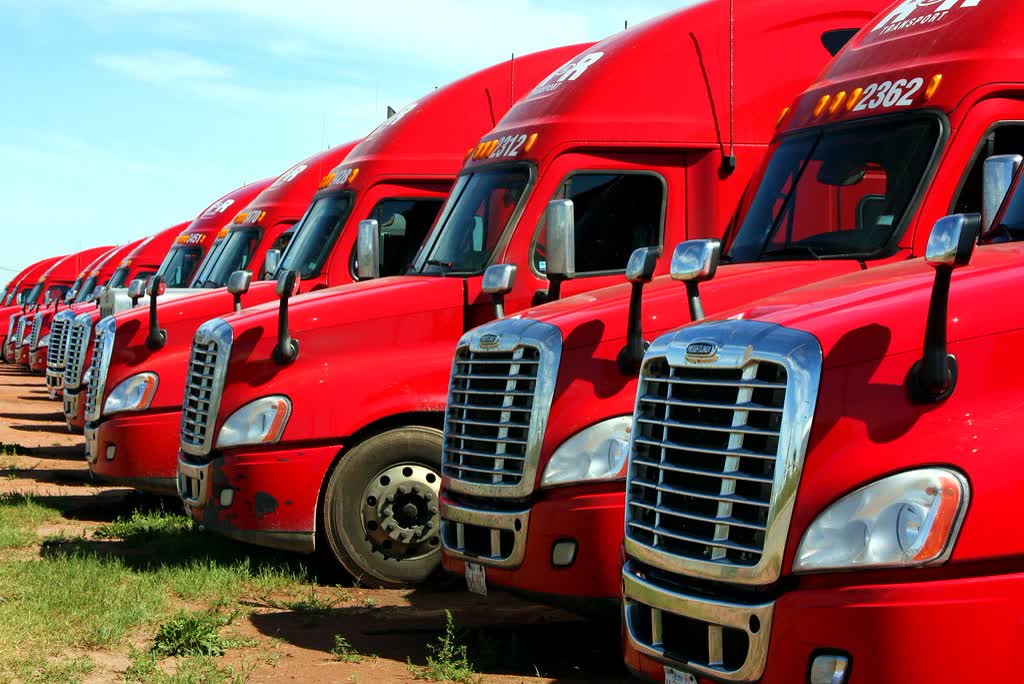
Why so many drivers run dry van
It isn't just default. Dry van has real advantages:
- The most openings. Nearly every carrier runs vans, so whatever city you're in, dry van jobs exist near you.
- No-touch freight. Most loads are drop-and-hook or live load/unload by the dock — you're not strapping, tarping, or hand-bombing boxes.
- Easiest entry. If you're fresh out of CDL school, dry van is almost always where you start. Lowest barrier, fastest hire.
- Every schedule. OTR, regional, local, dedicated — all of it exists in dry van, so you can pick the home time you want without switching trailers.
The routes you can run
Dry van isn't one job — it's four, depending on how much you want to be home:
- OTR dry van: the most miles and the classic first job. Out for weeks, highest gross, fastest way to build experience.
- Regional dry van: the sweet spot for a lot of drivers — solid miles within a multi-state region and home most weekends.
- Local dry van: home every night, often paid hourly, more stops and dock time but the best work-life balance.
- Dedicated dry van: one customer, repeating lanes, a schedule you can plan your life around. Usually the most predictable home time and pay.
Who's hiring dry van drivers
Just about everyone — the big national truckload carriers run huge van fleets, and there's a deep bench of regional and dedicated operations built around retail, grocery, paper, and consumer-goods freight. Dedicated retail accounts (think big-box distribution networks) are especially worth chasing for steady miles and reliable home time. Because demand is broad, you have leverage to be picky.
How to land the best dry van job
The difference between a great dry van paycheck and a frustrating one usually isn't the CPM on the flyer — it's the miles behind it and whether the home-time promise is real. A few things to nail down before you sign:
- Ask about average weekly miles, not just the rate. $0.60 on 2,800 steady miles beats $0.68 on 1,900. Run the math every time.
- Confirm no-touch vs. touch freight. Most dry van is no-touch — make sure yours is, or know what you're signing up for.
- Pin down "home weekly." Every weekend, or every other? Get it in writing.
- Favor dedicated or lane-based runs if you want predictability over chasing freight.
Rather than fill out a dozen applications and chase recruiters, you can get matched with dry van carriers actually hiring near you through CDL Lane — we line up real offers in your area so you compare miles and home time side by side instead of guessing off a billboard.
The bottom line
Dry van is the backbone of trucking for a reason: the most jobs, the widest choice of schedules, and a clean, no-touch path to steady miles. Pay in 2026 realistically runs $0.45–$0.70 a mile, or about $62,000 to $75,000-plus a year depending on experience and miles. Don't get hung up chasing a couple extra cents on specialized freight if dry van keeps you loaded, home when you want, and doing work you don't mind. Find the carrier with the miles and the honest schedule, and the money follows.